What it does
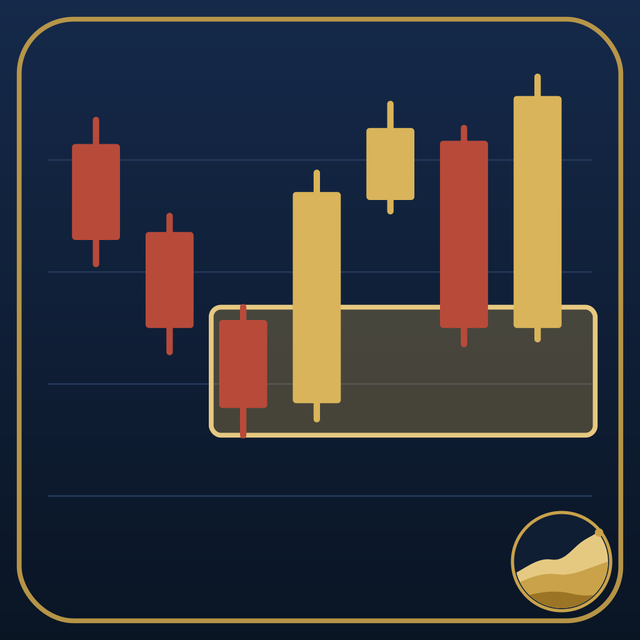
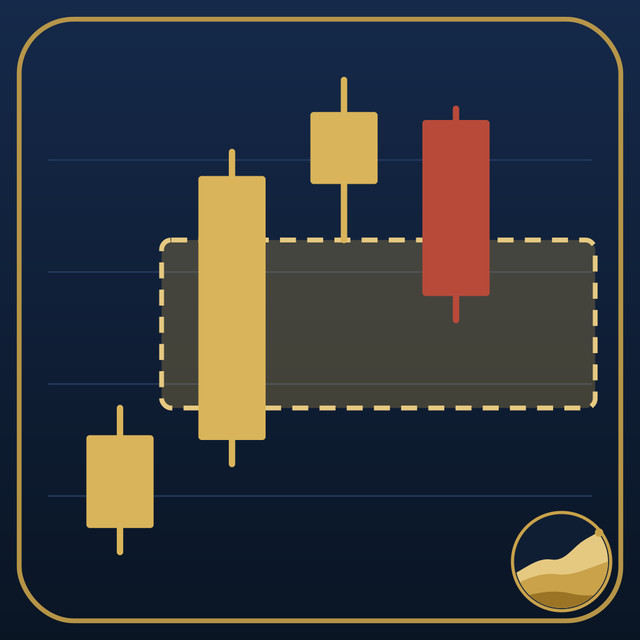
Above every obvious swing high sit stop losses from sellers and breakout buy orders. That's buy-side liquidity (BSL). Below every obvious swing low sit stop losses from buyers and breakout sell orders, which is sell-side liquidity (SSL). Price is often drawn to these pools, and Goldsands Liquidity maps them on your chart as they form.
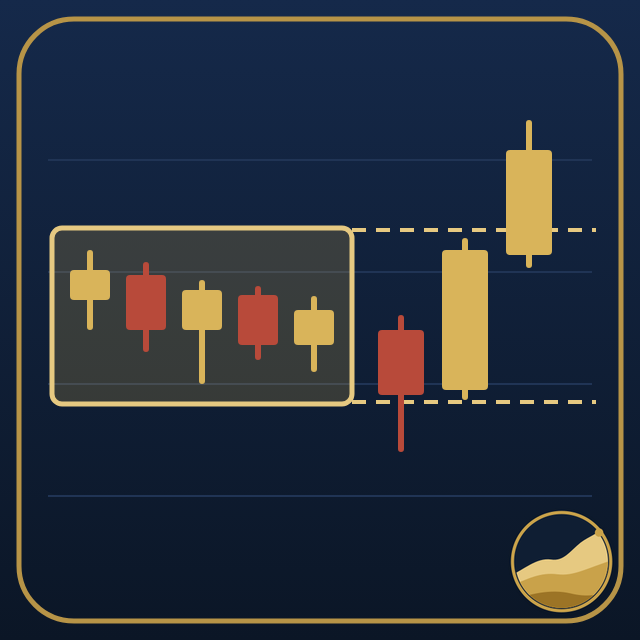
When two or more swing highs or lows line up at almost the same price, the indicator marks them as equal highs or equal lows (EQH and EQL) in gold. These are the most obvious targets on the chart, because that's where stops cluster the most.
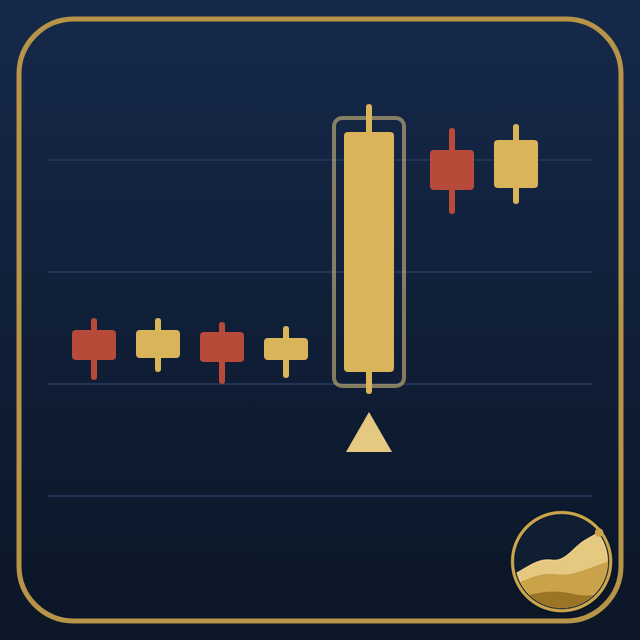
The indicator also tells a sweep from a genuine break. A sweep is when price wicks through a level and then closes back on the other side: the stops were taken, but the move was rejected, which is often where a reversal begins. Swept levels stay on the chart and are marked, while levels that price closes straight through are removed.
Key features
- Buy-side (BSL) and sell-side (SSL) liquidity levels mapped as they form
- Equal highs and equal lows (EQH / EQL) highlighted in gold
- Tells a sweep (wick through, close back) from a genuine break
- Swept levels stay marked; broken levels are removed
- Adjustable swing strength and equal-level tolerance
- Option to show only equal highs and lows
- Alerts for sweeps and newly formed equal highs or lows
Questions
What is the difference between buy-side and sell-side liquidity?
Buy-side liquidity sits above swing highs (sellers' stops and breakout buy orders). Sell-side liquidity sits below swing lows (buyers' stops and breakout sell orders).
How does it tell a sweep from a break?
A sweep is when price wicks through a level and closes back on the other side. If price closes straight through, it's treated as a break and the level is removed.
Which platforms is it available for?
MetaTrader 5, cTrader, TradingView and FX Replay.
Goldsands Liquidity is an analysis tool. It doesn't give trade signals or financial advice, and how price has behaved around a level in the past doesn't guarantee how it will behave in future.